


Pork bacon is a very popular and widely used food in cooking. However, excessive consumption of it can have negative effects on health. Below, we will discuss the ingredients and nutritional value of bacon, as well as the potential health risks associated with its consumption.
Ingredients
Pork bacon is made from the belly of the pig, which contains a large amount of fat. In addition, preservatives and other chemicals are added during the industrial production process.
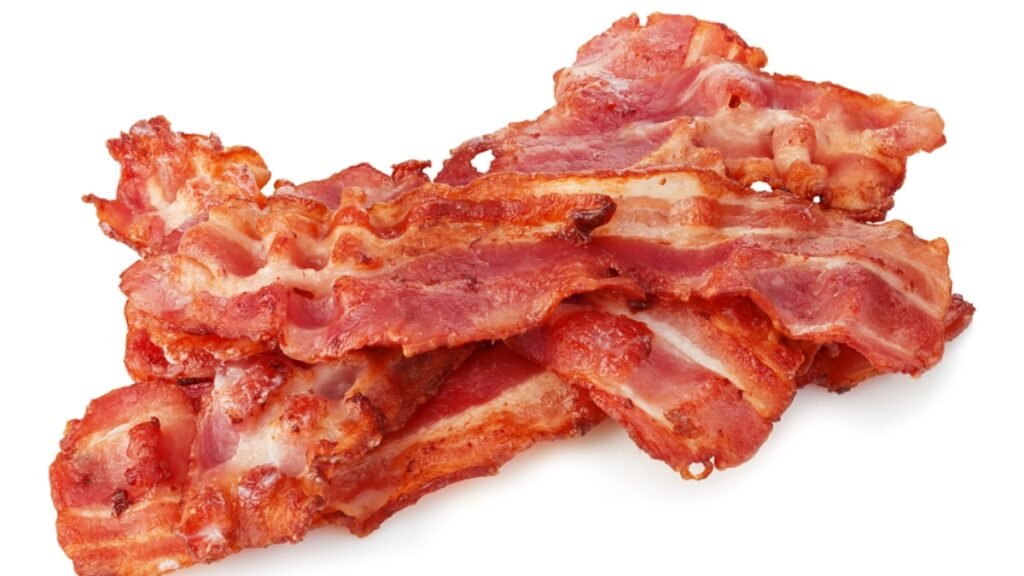
How healthy is pork bacon?
Nutritional value
Pork bacon is very high in calories and fat, especially saturated fat. Below is the approximate nutritional value of 100 grams of bacon:
Calories: 548
Total fat: 42 grams
Saturated fat: 15 grams
Protein: 37 grams
Carbohydrates: 0 grams
Cholesterol: 95 milligrams
Sodium: 2,315 milligrams
As you can see, bacon is very high in saturated fat, cholesterol, and sodium, which can have a negative impact on health if consumed in excess.
Health risks
Excessive consumption of pork bacon can have several negative effects on health. Below are some of the possible risks associated with its consumption:
Cardiovascular diseases
Bacon is very high in saturated fat and cholesterol, both of which can increase the risk of developing cardiovascular diseases, such as heart disease and stroke.
Obesity
Bacon is very high in calories and fat, which can contribute to weight gain and obesity if consumed in excess. Obesity is associated with an increased risk of developing chronic diseases, such as type 2 diabetes and certain types of cancer.
Changes in cholesterol and triglyceride levels
Excessive consumption of bacon can raise levels of LDL cholesterol («bad cholesterol») and triglycerides in the blood, which increases the risk of heart disease.
Fluid retention
Bacon is high in sodium, which can cause fluid retention and contribute to high blood pressure.
While pork bacon may be tasty and is widely used in cooking, excessive consumption can have negative effects on health. It is very high in calories, saturated fat, cholesterol and sodium, which can increase the risk of developing cardiovascular disease, obesity and changes in cholesterol and triglyceride levels. Therefore, it is recommended to consume bacon in moderation and as part of a balanced and healthy diet.