
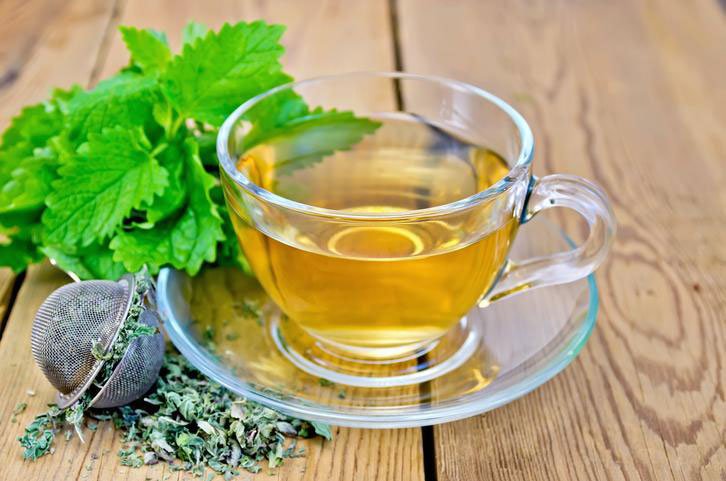

Strengthen your defenses to reduce the risk of COVID-19 infection. Lemon balm is a medicinal plant with diuretic, digestive, anti-inflammatory, analgesic, soothing, sedative, antispasmodic, carminative, antiviral, antioxidant, decongestant and expectorant properties.
The benefits of lemon balm tea are related to the medicinal properties that this plant has, being rich in polyphenols, tannins and flavonoids. Therefore, the main benefits are:
- Relieves colds, flu, catarrh and cough.
- Improves the quality of sleep, being excellent for treating insomnia.
- Helps improve memory and concentration.
- Relieves headaches, toothaches and migraines.
- Fights gas.
- Prevents digestive problems and intestinal cramps.
- Relieves vomiting, nausea and dizziness.
- Relieves menstrual cramps and symptoms of premenstrual syndrome.
- Prevents kidney problems by being a diuretic.
- Promotes well-being and tranquility, reducing symptoms of anxiety, tension and stress.
- Improves symptoms related to vertigo and tinnitus.
- Helps improve fluid retention.
- Has an antiviral effect on herpes cases.
To make lemon balm tea, it is advisable to use only the leaves – dried or fresh – since it is the part of the plant that contains all the beneficial properties for health.
Ingredients
1 tablespoon of lemon balm leaves.
1 cup of boiling water.
Preparation
Add the lemon balm leaves to the boiling water, cover and let it sit for a few minutes. Strain and drink 2 to 3 cups of this tea per day.
The side effects of lemon balm are a decrease in heart rate, drowsiness and a drop in blood pressure. This tea should be avoided by people with hypothyroidism, as it apparently decreases the production of thyroid hormones and could interact with medications used to treat this condition, decreasing their effect. Pregnant women and those breastfeeding should consult their doctor before taking it.